The Dream Mediterranean Crossing: Valencia to Ibiza
There are few sailing routes in the Mediterranean that capture the imagination quite like the crossing from Valencia to Ibiza. This journey takes you from the vibrant culture of Spain's eastern coast across the open sea to the legendary Balearic Islands, where crystal-clear turquoise waters, hidden coves, and world-famous nightlife await. Whether you are a seasoned sailor or chartering a yacht for the very first time, this route offers a perfect blend of adventure, relaxation, and unforgettable scenery.
Valencia, with its modern marina and excellent provisioning facilities, serves as the ideal departure point. The city's Port America's Cup marina provides everything you need to prepare for the crossing, from fuel and fresh provisions to nautical charts and last-minute gear. And once you cast off, the Mediterranean opens up before you in all its glory.
In this comprehensive guide, we cover everything you need to know about sailing from Valencia to Ibiza: the best routes and overnight stops, what yacht to choose, when to go, how much it costs, and the practical tips that can make or break your trip. Let us chart your course to paradise.
Route Overview: Distance and Timing
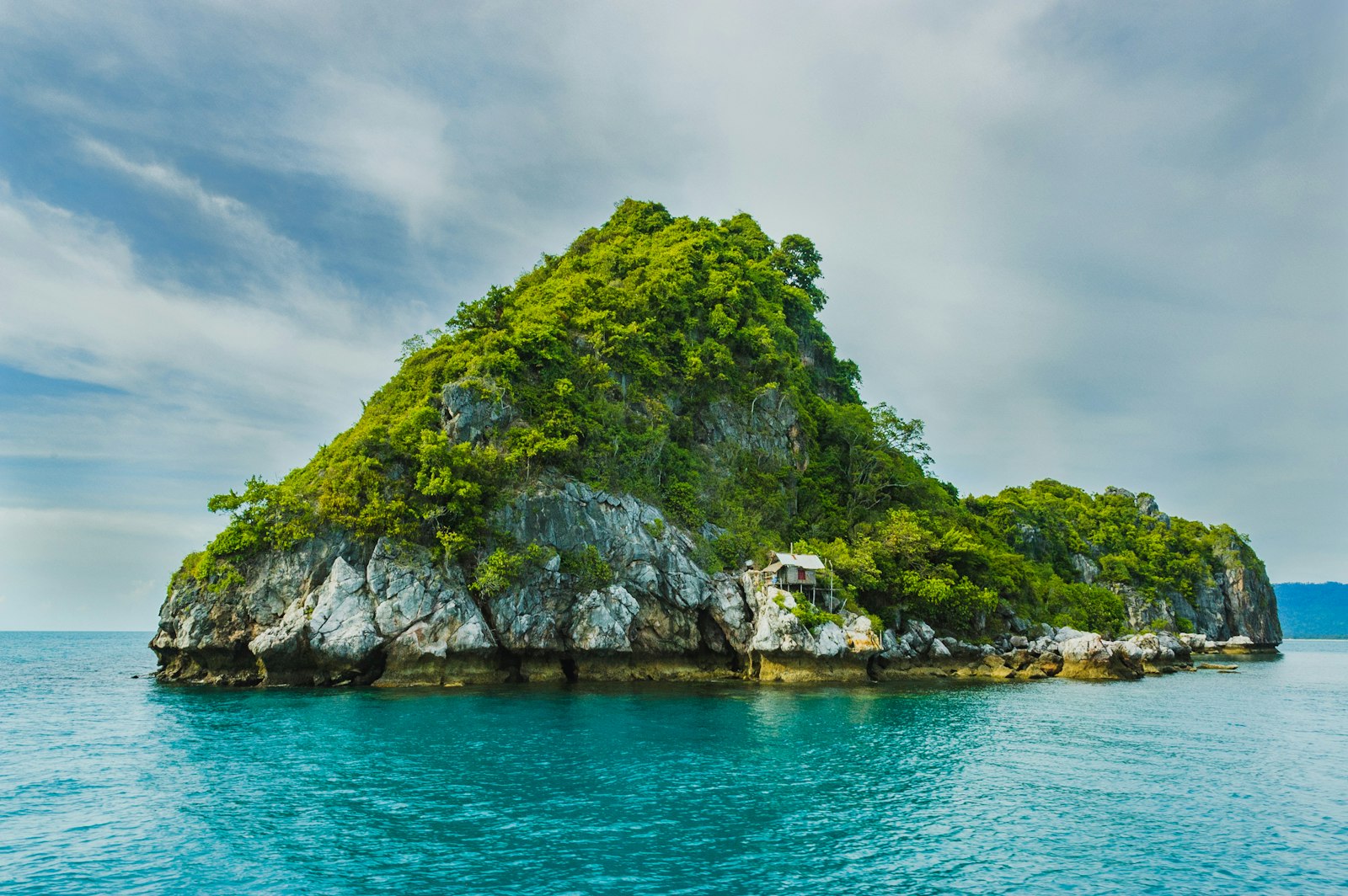
The direct distance from Valencia to Ibiza is approximately 95 nautical miles. Depending on your yacht type and sailing conditions, a direct crossing takes between 12 and 18 hours. Motor yachts can complete it in around 10-12 hours at cruising speed, while sailing yachts typically take 14-18 hours depending on wind conditions.
However, most experienced sailors and charter companies recommend breaking the journey into two or more legs. The most popular intermediate stop is Denia, a charming coastal town approximately 60 nautical miles south of Valencia along the coast. From Denia, the crossing to Formentera (the southernmost Balearic island) is around 55 nautical miles, which translates to 8-10 hours of sailing.
This two-stage approach has several advantages. First, it turns a potentially exhausting overnight crossing into two manageable day sails. Second, Denia is a beautiful destination in its own right, with excellent restaurants, a historic castle, and a well-equipped marina. And third, arriving at Formentera rather than Ibiza directly gives you the chance to experience what many consider the most beautiful island in the Mediterranean before heading to Ibiza's livelier shores.
The Best Route: Valencia, Denia, Formentera, and Ibiza
We recommend a 7-day itinerary that allows you to fully enjoy both the crossing and the destinations. Here is the day-by-day breakdown that our clients love most.
Day 1: Valencia to Denia (6-8 Hours Sailing)
Depart Valencia marina in the early morning, ideally around 8:00 AM. The coastal route south along the Valencia coast is stunning, passing the rice paddies of Albufera Natural Park, the orange groves near Gandia, and the dramatic cliffs of Cabo de San Antonio as you approach Denia. Depending on wind and sea conditions, you will arrive at Denia marina between 2:00 and 4:00 PM.
Once moored, take the afternoon to explore Denia's old town. Walk up to the Moorish castle for panoramic views over the harbour and the Mediterranean. The town's fishing quarter, known as Baix la Mar, is full of colourful houses and narrow streets. For dinner, head to the port area where you will find some of the best seafood restaurants on the Costa Blanca. Denia holds UNESCO Creative City of Gastronomy status, so the culinary scene is outstanding.
Day 2: Denia to Formentera (8-10 Hours Crossing)
This is the big crossing day. Leave Denia at first light, around 7:00 AM, to make the most of typically calmer morning conditions. The 55-nautical-mile passage across the Ibiza Channel is open-water sailing at its finest. You will lose sight of the Spanish mainland within a couple of hours, and the Balearic Islands will slowly emerge on the horizon.
Your destination is Cala Saona on Formentera's west coast, one of the most beautiful anchorages in the Mediterranean. Time your arrival for late afternoon to watch the sunset paint the sky orange and pink over the turquoise water. Drop anchor, jump in for a swim, and let the magic of Formentera wash over you. This moment alone is worth the entire journey.
Day 3: Explore Formentera
Dedicate a full day to exploring Formentera, often called the "Caribbean of Europe." Start your morning at Ses Illetes, consistently rated as one of the top beaches in the Mediterranean and indeed the world. The sand here is powder white, the water impossibly clear, and the beach stretches for over a kilometre along a narrow peninsula.
In the afternoon, motor or sail around to Espalmador, a tiny uninhabited island between Formentera and Ibiza. Espalmador is famous for its natural mud baths, where you can cover yourself in mineral-rich clay and let it dry in the sun before rinsing off in the warm turquoise waters. The anchorage here is idyllic, and on a quiet day you might have it almost to yourself.
Formentera has a character entirely different from Ibiza. It is quiet, bohemian, and deeply connected to nature. The island has strict building regulations that have preserved its unspoiled beauty. Rent a scooter from the marina and explore the interior, stopping at the Es Cap de Barbaria lighthouse on the southern tip for one of the most dramatic viewpoints in the Balearics.
Day 4: Formentera to Ibiza Town (2 Hours)
The short hop from Formentera to Ibiza Town takes only about 2 hours, making this a relaxed morning departure. Arrive at Marina Ibiza or Ibiza Magna marina by late morning, and you have the entire afternoon to explore.
The must-visit in Ibiza Town is Dalt Vila, the fortified old town that is a UNESCO World Heritage Site. Walk through the Portal de Ses Taules gateway and climb through the medieval streets to the cathedral at the summit. The views from the ramparts stretch across the harbour, the town, and the sea beyond. Dalt Vila is particularly magical at sunset, when the ancient stone walls glow golden in the fading light.
For dinner, the La Marina district at the foot of Dalt Vila is packed with restaurants and bars. Or head to the trendy Talamanca beach area for a more upscale dining experience with views back across the harbour.
Day 5: Ibiza West Coast
Ibiza's west coast is where you find the island's most famous sunset spots and some of its best swimming coves. Start at Cala Conta (also known as Platges de Comte), widely considered the best sunset viewpoint on the island. The beach faces directly west, and the small rocky islands offshore create a layered panorama as the sun goes down.
During the day, anchor at Cala Bassa, a sheltered bay with a popular beach club where you can order lunch delivered to your yacht by tender. The water here is crystal clear over a sandy bottom, perfect for swimming and snorkelling. Nearby, Cala Tarida offers another excellent anchorage with a more local, less touristy feel.
In the evening, consider heading to San Antonio to experience the legendary Cafe del Mar sunset. While the crowds can be intense in peak summer, watching the sun sink into the sea from the terrace of this iconic bar is a quintessential Ibiza moment.
Day 6: Ibiza South Coast
The south coast of Ibiza is home to perhaps the island's most iconic landmark: Es Vedra. This mystical limestone rock island rises 400 metres straight out of the sea, and local legend claims it is the tip of the sunken city of Atlantis. Whether or not you believe the myths, Es Vedra is genuinely awe-inspiring when seen from the water. Anchor nearby and take in the view.
From Es Vedra, continue east to Cala d'Hort, one of the best beaches on the island, with Es Vedra forming the backdrop. Further along, Cala Jondal is home to the famous Blue Marlin beach club, where the beautiful people of Ibiza gather for champagne lunches and DJ sets by the pool. Even if the scene is not your style, anchoring offshore and taking the tender in for lunch is a memorable experience.
Day 7: Return or Extend
On your final day, you have two options. The direct return from Ibiza to Valencia is approximately 95 nautical miles and takes 12-18 hours depending on your yacht. Many sailors choose to depart in the evening and make an overnight crossing, arriving in Valencia the following morning.
Alternatively, if your charter allows, extend your trip and continue north to Mallorca. The crossing from Ibiza to Palma de Mallorca is about 75 nautical miles, opening up an entirely new set of anchorages, beaches, and cultural experiences. The possibilities are endless when you have a yacht beneath your feet.
What Yacht to Choose for the Crossing
The type of yacht you choose will significantly affect your experience of the Valencia-to-Ibiza route. Here are your three main options.
Sailing Yacht
The most authentic and affordable option. A sailing yacht of 40-50 feet is ideal for this route, offering comfortable accommodation for 6-8 people with good performance under sail. The crossing from Denia to Formentera is a magnificent sail when the wind cooperates, and there is nothing quite like the feeling of cutting through the Mediterranean under canvas alone. Budget 2-3 days for the crossing to allow for variable wind conditions.
Catamaran
The best choice for families and groups who prioritise comfort and stability. A catamaran offers significantly more living space than a monohull, with a wide saloon, separate cabins, and a large cockpit area perfect for al fresco dining. Catamarans also have shallower drafts, allowing you to anchor closer to beaches. The crossing takes about 2 days with reasonable comfort even in moderate seas.
Motor Yacht
For those who want to reach the Balearics quickly and in style. A motor yacht can make the direct crossing from Valencia to Ibiza in a single day, arriving in time for an evening out. The trade-off is higher fuel costs and charter prices, but the speed and luxury are unmatched. Motor yachts are ideal for shorter charter periods when you want to maximise time at destination.
What to Pack for the Crossing

Packing correctly can make the difference between a comfortable crossing and a miserable one. Here are the essentials.
- Sailing gear: Non-slip deck shoes, lightweight waterproof jacket, and warm layers for evening and overnight passages. Even in summer, the open sea can be surprisingly cool at night.
- Sun protection: High-SPF sunscreen (minimum factor 50), polarised sunglasses, a wide-brimmed hat, and UV-protective clothing. Reflection off the water intensifies sun exposure significantly.
- Seasickness remedy: Even experienced sailors can be affected on the open-water crossing. Bring antihistamine tablets, ginger supplements, or pressure-point wristbands. Take preventive measures before departure, not once symptoms start.
- Documents: Valid passport or national ID card, sailing qualification certificate if chartering bareboat (at minimum, the International Certificate of Competence), and travel insurance documents.
- Cash: Many smaller ports and beach bars in Formentera and rural Ibiza do not accept card payments. Carry at least 200 euros in cash for incidentals.
Weather and the Best Time to Go
The sailing season for the Valencia-to-Ibiza route runs from May to October, with the best conditions typically found in June and September.
June is arguably the ideal month. Air temperatures hover around 25-28 degrees Celsius, the sea is warm enough for comfortable swimming at 22-24 degrees, days are long (with sunset around 9:30 PM), and the peak-season crowds have not yet arrived. Marina berths in Formentera are still available without advance booking, and charter prices are 20-30% lower than in July and August.
September offers similar advantages with the added bonus of warmer sea temperatures (25-26 degrees after a full summer of heating). The tourist crowds thin out noticeably after the first week of September, and the autumn light gives the landscape a golden quality that photographers love.
The dominant wind patterns to be aware of include the Tramontana (a northerly wind that can bring rough conditions, most common in winter and spring), the Levante (an easterly wind that can create uncomfortable swells in the Ibiza Channel), and the Poniente (a westerly wind, generally mild and favourable for the eastbound crossing to the Balearics).
In summer, conditions are generally calm, with morning calms giving way to thermal breezes in the afternoon. However, the Ibiza Channel can produce rough seas when strong winds funnel between the mainland and the islands. Always check the weather forecast 48 hours before your crossing and be prepared to adjust your plans if conditions deteriorate.
Costs: What to Budget
Understanding the full cost picture helps you plan a trip that matches your budget. Here is a realistic breakdown for a week-long Valencia-to-Ibiza charter.
- Weekly bareboat sailboat (40-45ft): From 2,000 euros in low season (May, October) to 4,000 euros in peak season (July, August)
- Weekly skippered catamaran (42-48ft): From 4,500 euros in shoulder season to 8,000 euros in peak season, including skipper
- Weekly motor yacht (50-60ft): From 6,000 euros in shoulder season to 12,000 euros in peak season
- Marina fees: 30-80 euros per night, with Formentera and Ibiza at the higher end during summer
- Fuel: 200-500 euros for the full week, depending on yacht type. Sailboats use the least, motor yachts the most.
- Provisions: 300-600 euros per person for a week, depending on your dining preferences and how often you eat ashore
For a group of 6-8 friends sharing a skippered catamaran in June, the all-in cost works out to roughly 800-1,200 euros per person for the week, including charter, fuel, marina fees, and provisions. That is exceptional value for a week of sailing through the most beautiful waters in the Mediterranean.
Practical Tips from Experienced Sailors
These tips come from years of experience sailing the Valencia-to-Ibiza route, and they can save you time, money, and stress.
- Book Formentera berths in advance: In July and August, the limited marina spaces in Formentera's La Savina port fill up weeks ahead. Reserve your berth online through the port authority website, or plan to anchor out rather than rely on marina availability.
- Carry extra water and provisions: While provisioning is available in Formentera and Ibiza, prices on the islands are significantly higher than on the mainland. Stock up in Valencia or Denia before the crossing.
- Check weather 48 hours before crossing: The Ibiza Channel can change rapidly. Use reliable marine weather services such as Aemet (Spanish Meteorological Agency) or PredictWind. If conditions look marginal, wait a day. The Mediterranean rewards patience.
- Monitor VHF channel 16: This is the international distress and calling frequency. Keep your VHF radio tuned to channel 16 throughout the crossing for safety communications and coastguard updates.
- Know the regulations: The Spanish Maritime Authority (Direccion General de la Marina Mercante) requires specific safety equipment on board, including life jackets for all crew, flares, fire extinguishers, and a first aid kit. Ensure your charter yacht complies before departure.
- Anchor responsibly in Formentera: Posidonia seagrass meadows around Formentera are protected by law. Anchoring on Posidonia beds carries heavy fines (up to 300,000 euros). Use designated anchorage areas with sand bottoms, and look for the green Posidonia marker buoys.
- Consider a night crossing: If you are comfortable with night sailing, the direct Valencia-to-Ibiza crossing departing at dusk can be magical. The stars over the open Mediterranean are extraordinary, and you arrive at Formentera or Ibiza at dawn. This works best with experienced crew or a professional skipper.
Book Your Valencia to Ibiza Adventure
The Valencia-to-Ibiza sailing route is one of the finest yacht charter experiences in the Mediterranean. It combines the thrill of open-water sailing with the rewards of discovering some of Europe's most beautiful islands. From the turquoise waters of Formentera to the vibrant energy of Ibiza, from quiet anchorages beneath ancient cliffs to world-famous beach clubs, this route has something for every type of sailor and traveller.
At BoatParty Valencia, we specialise in crafting the perfect Valencia-to-Ibiza charter experience. Whether you want a bareboat sailing adventure, a skippered catamaran cruise for the family, or a luxury motor yacht getaway, we have the fleet and the expertise to make it happen. Our team knows these waters intimately, and we will help you plan every detail, from route selection and provisioning to restaurant recommendations and marina reservations.
Contact us today to start planning your Mediterranean crossing. The Balearic Islands are calling, and the journey begins in Valencia.